


Antique 1896 Folk Art Terrier Puppies Oil Painting on Wood Panel, Signed “Pete”
Antique 1896 Folk Art Terrier Puppies Oil Painting on Wood Panel, Signed “Pete”
Couldn't load pickup availability
Share


A wonderfully characterful late 19th-century folk art dog painting, signed “Pete” and dated 1896 at the lower right. The charming horizontal composition depicts a group of black-and-white terrier-type dogs and puppies at rest and play, with a tiny painted insect in the foreground adding an especially whimsical touch.
Rendered in a restrained palette of warm cream, black, gray, ochre and muted brown, the dogs are built up with expressive, visibly worked brushstrokes rather than academic precision. This gives the painting the appealing naïveté associated with vernacular and folk animal portraiture of the period.
The work appears to be painted directly onto a wood panel, with the exposed grain contributing considerable texture throughout the composition. It is housed in a simple period-style painted wooden frame in black and blue-gray tones, beautifully complementing the painting's subdued palette.
The lower-right inscription clearly reads “Pete 1896.” At present, “Pete” should be treated as an unidentified signature rather than an attribution to a documented artist.
A particularly endearing piece of Victorian-era animal art—perfect for a collected English country, equestrian, sporting, or layered European interior.
A wonderfully characterful late 19th-century folk art dog painting, signed “Pete” and dated 1896 at the lower right. The charming horizontal composition depicts a group of black-and-white terrier-type dogs and puppies at rest and play, with a tiny painted insect in the foreground adding an especially whimsical touch.
Rendered in a restrained palette of warm cream, black, gray, ochre and muted brown, the dogs are built up with expressive, visibly worked brushstrokes rather than academic precision. This gives the painting the appealing naïveté associated with vernacular and folk animal portraiture of the period.
The work appears to be painted directly onto a wood panel, with the exposed grain contributing considerable texture throughout the composition. It is housed in a simple period-style painted wooden frame in black and blue-gray tones, beautifully complementing the painting's subdued palette.
The lower-right inscription clearly reads “Pete 1896.” At present, “Pete” should be treated as an unidentified signature rather than an attribution to a documented artist.
A particularly endearing piece of Victorian-era animal art—perfect for a collected English country, equestrian, sporting, or layered European interior.
9"h x 19"w x 1"d
9"h x 19"w x 1"d
Dogs became an especially popular subject in British, European, and American art during the 19th century, appearing everywhere from highly finished sporting portraits to informal paintings of beloved household animals. Late Victorian dog paintings remain particularly collectible today, with both formally trained artists and amateur or vernacular painters producing intimate portraits of terriers, spaniels, hounds and other familiar breeds. Established 19th-century animal painters such as John Emms and Colin Graeme Roe illustrate the broader contemporary enthusiasm for canine subjects.
This example belongs more closely to the folk or vernacular tradition, distinguished by its simplified anatomy, strong outlines and wonderfully direct observation of the dogs' individual poses.
Dogs became an especially popular subject in British, European, and American art during the 19th century, appearing everywhere from highly finished sporting portraits to informal paintings of beloved household animals. Late Victorian dog paintings remain particularly collectible today, with both formally trained artists and amateur or vernacular painters producing intimate portraits of terriers, spaniels, hounds and other familiar breeds. Established 19th-century animal painters such as John Emms and Colin Graeme Roe illustrate the broader contemporary enthusiasm for canine subjects.
This example belongs more closely to the folk or vernacular tradition, distinguished by its simplified anatomy, strong outlines and wonderfully direct observation of the dogs' individual poses.
Late Victorian, dated 1896
Late Victorian, dated 1896
Oil or oil-based paint on wood panel
Painted wood frame
Period wire hanging mechanism to reverse
Oil or oil-based paint on wood panel
Painted wood frame
Period wire hanging mechanism to reverse
Country of origin unknown. Acquired in Austin, TX.
Country of origin unknown. Acquired in Austin, TX.
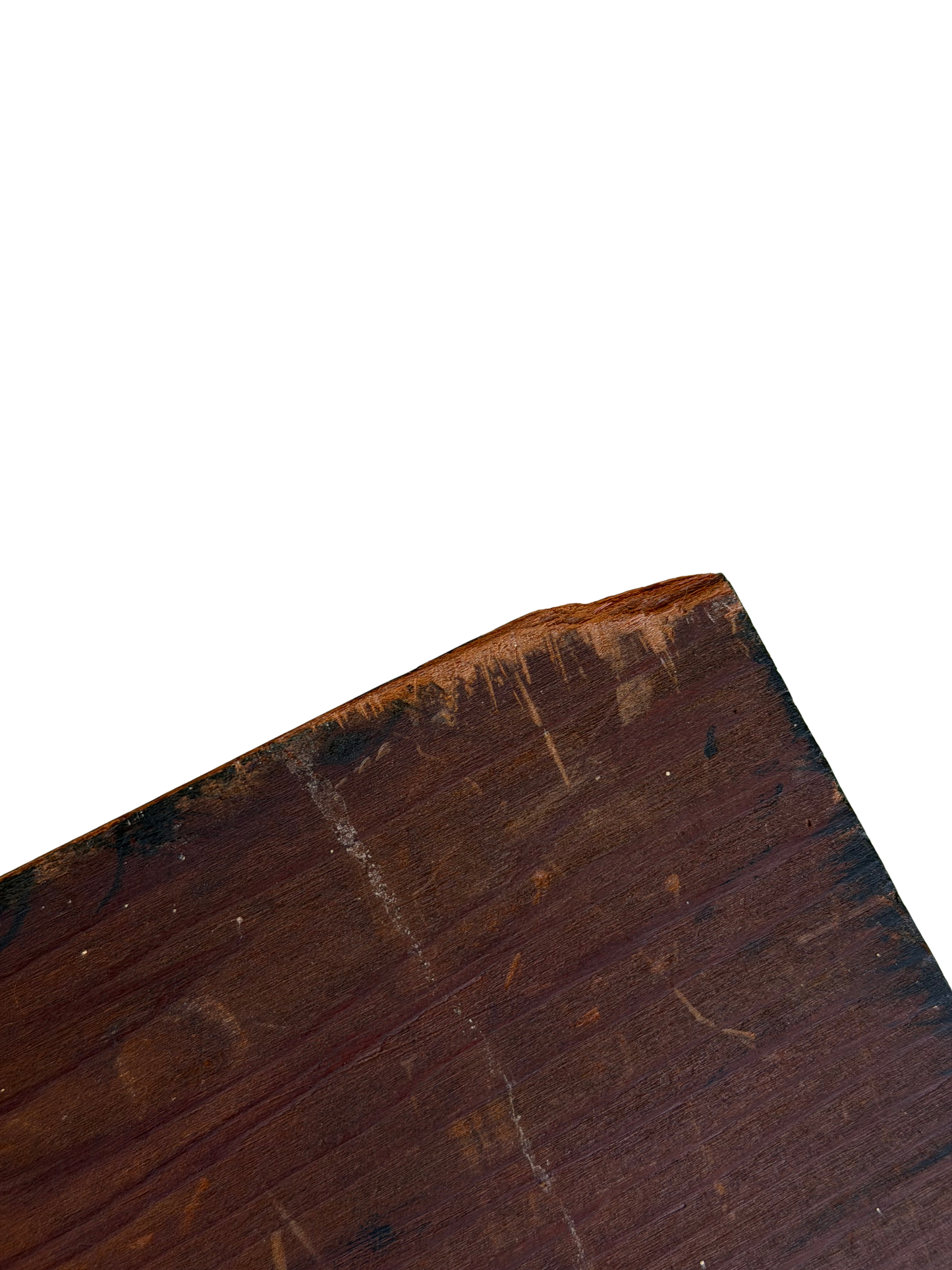
Antique condition consistent with approximately 130 years of age. Visible surface craquelure, scattered abrasions, scratches, small losses, discoloration and general age-related wear are present throughout the painted surface. The wood panel and painted frame show additional marks, rubbing and wear. Reverse displays scratches, surface wear and an older wire hanging mechanism. Please review all photographs closely as they form an important part of the condition description.
Antique condition consistent with approximately 130 years of age. Visible surface craquelure, scattered abrasions, scratches, small losses, discoloration and general age-related wear are present throughout the painted surface. The wood panel and painted frame show additional marks, rubbing and wear. Reverse displays scratches, surface wear and an older wire hanging mechanism. Please review all photographs closely as they form an important part of the condition description.