



19th-Century French Furniture Design Engraving — Lit Renaissance, Plate 27, Le Mobilier d’Art
19th-Century French Furniture Design Engraving — Lit Renaissance, Plate 27, Le Mobilier d’Art
Impossible de charger la disponibilité du service de retrait
Partager


Original architectural furniture design engraving depicting an elaborate Renaissance-revival canopy bed (lit à baldaquin) with richly draped textile canopy, tassels, carved headboard cresting, and paneled footboard ornament.
The sheet includes multiple printed credits:
“LE MOBILIER D’ART” (series title)
“PL. 27” (plate number)
“LIT RENAISSANCE” (design title)
“CH. JULIOT, EDITEUR, 22 RUE DES ECOLES” (Paris publisher)
“Th. Villeneuve del.” (designer/draftsman credit)
“Guéret frères Ébénistes” (cabinetmakers referenced in the design)
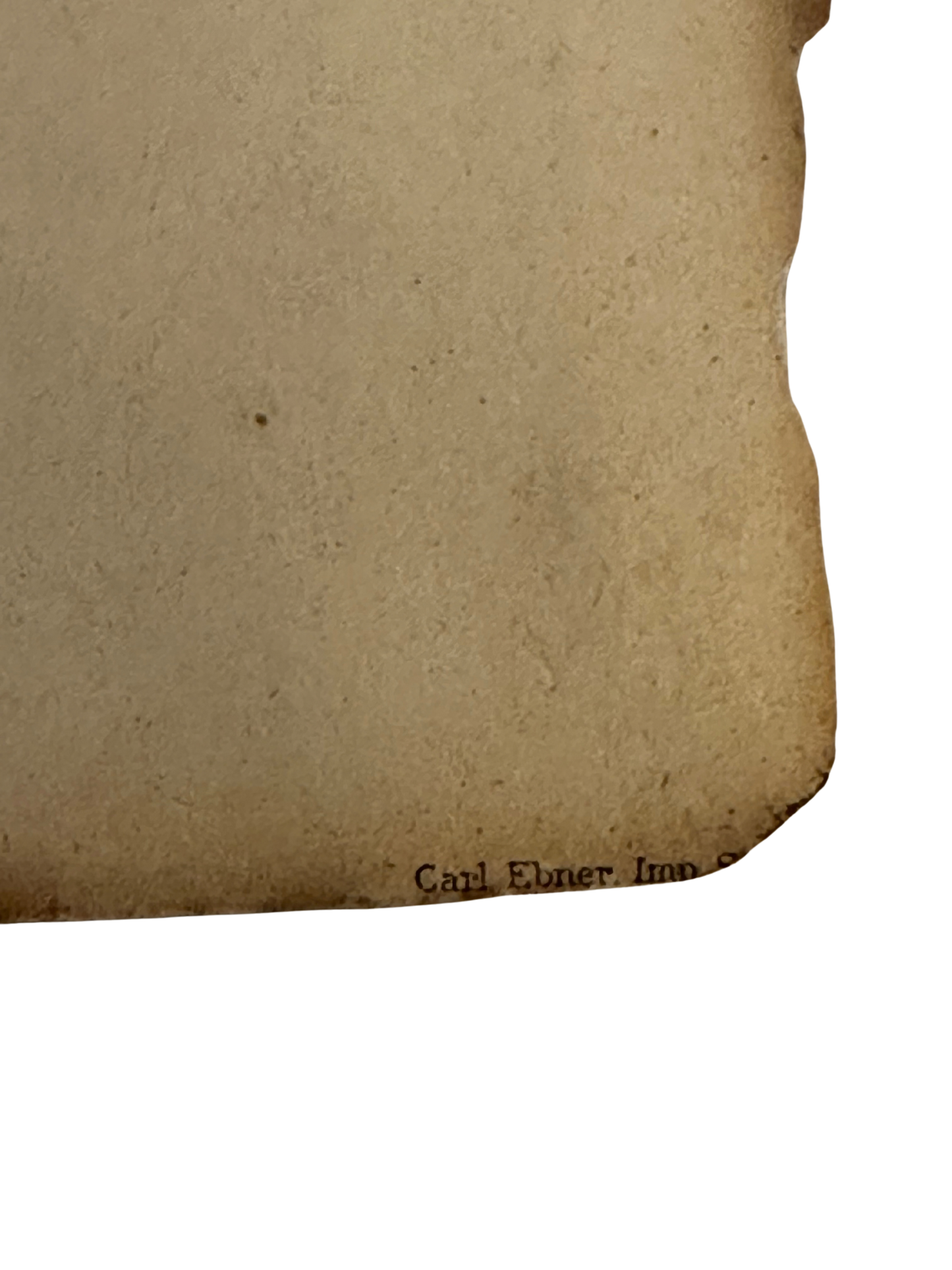
Partial printer mark visible: Carl Ebner, Imp.
Printed on cream wove paper using fine line engraving typical of late-19th-century decorative arts publications. The composition shows a three-quarter perspective furniture rendering, intended as a model plate for cabinetmakers, upholsterers, and interior decorators.
The engraving belongs to the decorative arts design publication Le Mobilier d’Art, a periodical or portfolio documenting historic revival furniture styles popular during the late 1800s.
Original architectural furniture design engraving depicting an elaborate Renaissance-revival canopy bed (lit à baldaquin) with richly draped textile canopy, tassels, carved headboard cresting, and paneled footboard ornament.
The sheet includes multiple printed credits:
“LE MOBILIER D’ART” (series title)
“PL. 27” (plate number)
“LIT RENAISSANCE” (design title)
“CH. JULIOT, EDITEUR, 22 RUE DES ECOLES” (Paris publisher)
“Th. Villeneuve del.” (designer/draftsman credit)
“Guéret frères Ébénistes” (cabinetmakers referenced in the design)
Partial printer mark visible: Carl Ebner, Imp.
Printed on cream wove paper using fine line engraving typical of late-19th-century decorative arts publications. The composition shows a three-quarter perspective furniture rendering, intended as a model plate for cabinetmakers, upholsterers, and interior decorators.
The engraving belongs to the decorative arts design publication Le Mobilier d’Art, a periodical or portfolio documenting historic revival furniture styles popular during the late 1800s.
15.5"h x 12"w
15.5"h x 12"w
During the second half of the 19th century, French furniture design experienced a major revival of historical styles, especially Renaissance, Louis XIII, Louis XIV, and Gothic forms. Publications like Le Mobilier d’Art served as pattern books for professional cabinetmakers (ébénistes) and designers.
Paris publishers along Rue des Écoles specialized in architecture, ornament, and furniture design manuals used in workshops and art schools.
The credit Th. Villeneuve del. indicates the drawing was prepared by a decorative designer or illustrator. The mention of Guéret frères, ébénistes suggests the design may have been based on an actual workshop model or exhibition piece.
These engravings were not merely decorative prints — they were working design references for the decorative arts industry, which is why they have strong architectural clarity and shading.
Today, they are collected as: interior design prints, decorative arts references, architectural engraving art, furniture design studies.
They display particularly well in traditional interiors, libraries, and antique-filled rooms.
During the second half of the 19th century, French furniture design experienced a major revival of historical styles, especially Renaissance, Louis XIII, Louis XIV, and Gothic forms. Publications like Le Mobilier d’Art served as pattern books for professional cabinetmakers (ébénistes) and designers.
Paris publishers along Rue des Écoles specialized in architecture, ornament, and furniture design manuals used in workshops and art schools.
The credit Th. Villeneuve del. indicates the drawing was prepared by a decorative designer or illustrator. The mention of Guéret frères, ébénistes suggests the design may have been based on an actual workshop model or exhibition piece.
These engravings were not merely decorative prints — they were working design references for the decorative arts industry, which is why they have strong architectural clarity and shading.
Today, they are collected as: interior design prints, decorative arts references, architectural engraving art, furniture design studies.
They display particularly well in traditional interiors, libraries, and antique-filled rooms.
Late 19th century (circa 1875–1895) French Renaissance Revival decorative arts period
Late 19th century (circa 1875–1895) French Renaissance Revival decorative arts period
Wove paper
Copperplate or steel engraving
Printer’s ink
Wove paper
Copperplate or steel engraving
Printer’s ink
France
France
Visible foxing and age toning throughout sheet.
Minor edge wear and corner loss (lower right).
Light waviness consistent with age.
Unframed sheet.
Visible foxing and age toning throughout sheet.
Minor edge wear and corner loss (lower right).
Light waviness consistent with age.
Unframed sheet.